
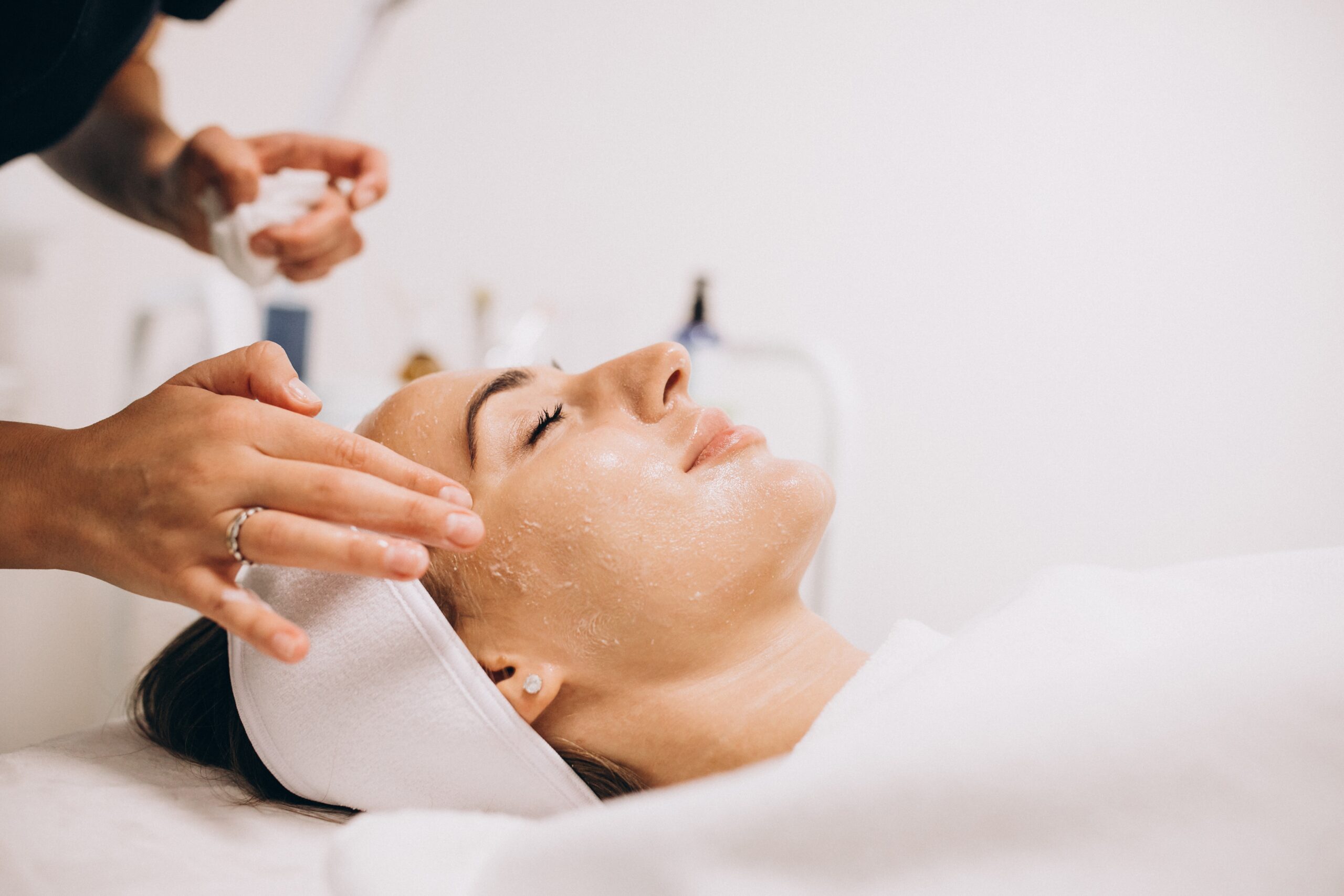
A chemical peel applies a selected solution to the skin to produce controlled exfoliation. It may be considered for some acne, uneven pigment, fine lines or surface-texture concerns. The right question is which problem needs treatment and whether a peel is appropriate for it.
What a peel can and cannot address
Peels differ in depth and recovery requirements. A superficial treatment and a deeper peel are not interchangeable. A peel may improve selected surface changes, but it is not a promise of flawless skin or a substitute for assessing deep acne scars. For mixed scarring, see our guide to scar types and treatment planning.
Before choosing a treatment
Tell your dermatologist about previous reactions, cold sores, a tendency to scar, and all current or recent medicines, including isotretinoin. Mention earlier peels, lasers and other cosmetic procedures. This history helps decide whether to treat, prepare the skin first, choose another option or postpone a procedure.
Bring the actual product names or photographs of their labels. “A night cream” or “a whitening cream” may not identify the ingredients well enough to plan aftercare. Discuss the problem that bothers you most, the recovery time you can accommodate and the cost of a possible course rather than one visit alone.
Recovery and possible problems
Redness, scaling and discomfort depend on treatment depth and individual response. Pigment darkening or lightening, prolonged redness, infection and scarring are possible. Darker skin can be treated, but selecting the peel and managing pigment risk require experience. A deeper peel is not automatically a better choice.
Follow the prescribed cleansing, moisturising and sun-protection plan. Do not pick peeling skin or add scrubs and acids while recovering. Ask when to restart each active product and when to return. Contact the treating clinic if burning, itching or swelling causes concern rather than adding another product to settle it.
How to judge progress
Compare the same area after healing, with similar lighting and no filters. Write down the concern being assessed: active breakouts, dark marks or texture. Ask whether further sessions are needed and what maintenance involves. The visit schedule should reflect the treatment and healing response; a photograph alone cannot establish a session count.
For related care, explore acne assessment and melasma consultations.
Sources and further reading
American Academy of Dermatology: chemical-peel overview, preparation and recovery and risks. Updated 7 September 2026.
Consultation in Jammu
For an individual assessment with Dr. Mubashar Mashqoor Mir, book a consultation at Cosmoweave. Bring details of your current products, medicines and earlier procedures.